


ผลิตภัณฑ์ทั้งหมด
-
การป้องกันรังสีนิวเคลียร์
-
เครื่องตรวจจับรังสีนิวเคลียร์
-
ป้องกันฟอยล์ทองแดง
-
ประตูป้องกัน RF
-
RF ป้องกัน Windows
-
กระจกตะกั่วป้องกันรังสี
-
ชุดเครื่องมือที่ไม่ใช่แม่เหล็ก
-
RF Shielded Chamber
-
ช่องระบายอากาศ Waveguide รังผึ้ง
-
เทปทองแดงกาวนำไฟฟ้า
-
ลวดตาข่ายทองแดง
-
เอ็กซ์เรย์ตะกั่วแก้ว
-
ปะเก็นป้องกัน EMI
-
ผ้านำไฟฟ้า
-
ประตูป้องกันรังสี
-
เอ็กซ์เรย์ป้องกันรังสี
-
ฟาราเดย์เคจ MRI
-
ขนลวดทองแดง
-
MRI ไฟ LED
-
รถเข็นวีลแชร์แบบไม่ใช้แม่เหล็ก
-
เปลหามแบบไม่ใช้แม่เหล็ก
-
 อนัสช่องระบายรังผึ้งทองเหลืองดูดีมาก
 -
 สาทิสประตู MRI/RF ส่องประกายพร้อมที่จับ ขอบคุณเพื่อนของฉัน
เครื่องสอบเทียบปริมาณรังสีที่ทนต่อรังสีสำหรับการติดตั้งเซลล์ร้อนในระยะยาว
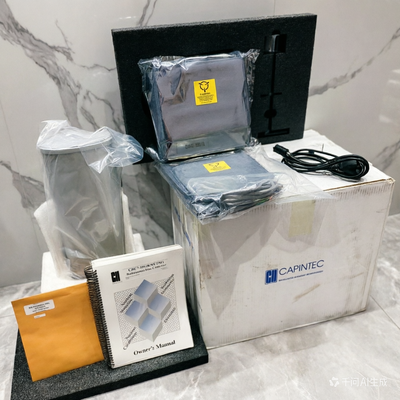


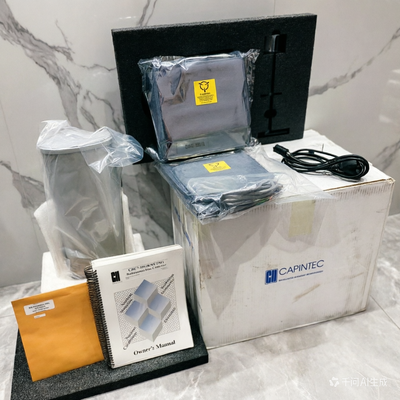
รายละเอียดสินค้า
| การตอบสนองด้านพลังงาน | 50Kev~5Mev | อุณหภูมิในการทำงาน | -20°ซ ถึง 50°ซ |
|---|---|---|---|
| ช่วงขนาดยาสะสม | 0.1 µSv ~ 10 Sv | วัสดุ | ตัวเรือนพลาสติก ABS ทนทาน |
| ช่วงการวัด | อัตราปริมาณนิวตรอน: 0.1μSv/h~100mSv/h | ความจุการจัดเก็บข้อมูล | อ่านได้ถึง 1,000 ครั้ง |
รายละเอียดสินค้า
เครื่องสอบเทียบปริมาณรังสีที่ทนต่อรังสีสำหรับการติดตั้งเซลล์ร้อนในระยะยาว
แนะนำผลิตภัณฑ์
แนะนำผลิตภัณฑ์
เครื่องสอบเทียบปริมาณรังสีที่ทนต่อรังสีได้รับการออกแบบทางวิศวกรรมให้มีอายุการใช้งานยาวนานเป็นพิเศษในสภาพแวดล้อมเซลล์ร้อนที่มีรังสีสูง เครื่องสอบเทียบขนาดมาตรฐานที่สัมผัสกับปริมาณรังสีสะสมสูง (มากกว่า 10,000 R) ประสบกับประสิทธิภาพการทำงานที่ค่อยๆ ลดลง ได้แก่ สัญญาณรบกวนทางอิเล็กทรอนิกส์ที่เพิ่มขึ้น การเคลื่อนตัวของการสอบเทียบ และความล้มเหลวของส่วนประกอบที่ละเอียดอ่อนในที่สุด เครื่องมือนี้ใช้อุปกรณ์อิเล็กทรอนิกส์ที่ชุบแข็งด้วยรังสี ห้องไอออไนเซชันที่เปลี่ยนได้ และการออกแบบโมดูลาร์ที่ช่วยให้สามารถทดแทนส่วนประกอบที่เสื่อมสภาพในสนามได้ ผลลัพธ์คืออายุการใช้งานเครื่องมือมากกว่า 10 ปีในสภาพแวดล้อมที่เครื่องสอบเทียบมาตรฐานล้มเหลวภายใน 2-3 ปี เครื่องมือนี้ออกแบบมาสำหรับเซลล์ร้อนที่จัดการกับปริมาณการบำบัดที่มีฤทธิ์สูง (ระดับ Curie Lu-177, Y-90, I-131) หรือที่ทำงานตลอด 24 ชั่วโมงทุกวันในร้านขายยารังสีแบบรวมศูนย์
ช่วงการสมัคร
ช่วงการสมัคร
เครื่องสอบเทียบปริมาณรังสีที่ทนต่อรังสีได้รับการออกแบบสำหรับสภาพแวดล้อมเวชศาสตร์นิวเคลียร์ที่มีปริมาณมากและออกฤทธิ์สูง การใช้งานหลัก ได้แก่ ร้านขายยารังสีแบบรวมศูนย์ที่ผลิตยาหลายพันโดสต่อปี ศูนย์บำบัดที่จัดการปริมาณการบำบัดระดับคูรีทุกวัน แผนกเวชศาสตร์นิวเคลียร์ที่ปฏิบัติการตลอด 24 ชั่วโมงทุกวัน และวิจัยเซลล์ร้อนที่ใช้สำหรับการศึกษาฉลากรังสีที่มีฤทธิ์สูง เครื่องมือนี้เหมาะสมพอๆ กันสำหรับแผนกใดๆ ที่ต้องการลดต้นทุนการเปลี่ยนเครื่องมือ และหลีกเลี่ยงการหยุดทำงานโดยไม่ได้วางแผนเนื่องจากเครื่องสอบเทียบขัดข้อง
ประสิทธิภาพและคุณประโยชน์
ประสิทธิภาพและคุณประโยชน์
เครื่องสอบเทียบปริมาณรังสีที่ทนต่อรังสีจะรักษาความแม่นยำ ±5% ตลอดอายุการใช้งาน แม้ว่าจะสัมผัสกับปริมาณรังสีสะสมที่เกิน 100,000 R การออกแบบที่เสริมความแข็งแกร่งด้วยรังสีประกอบด้วย: อุปกรณ์อิเล็กทรอนิกส์ CMOS ที่ประดิษฐ์บนพื้นผิวซิลิคอนออนฉนวน (SOI) ที่ต้านทานการยึดติดและกระแสรั่วไหล; สายเคเบิลหุ้มฉนวนพร้อมฉนวนสองชั้นเพื่อป้องกันการพังทลายที่เกิดจากรังสี ห้องไอออไนซ์แบบเปลี่ยนได้ซึ่งสามารถสลับได้ในภาคสนามเมื่อความไวลดลง และแหล่งจ่ายไฟแบบโมดูลาร์ที่แยกส่วนประกอบที่ละเอียดอ่อนออกจากภาวะชั่วคราวที่เกิดจากรังสี ห้องไอออไนซ์ใช้การออกแบบที่มีการระบายอากาศพร้อมกับตลับดูดความชื้นที่เปลี่ยนได้ เพื่อป้องกันการเคลื่อนตัวที่เกี่ยวข้องกับความชื้น ห้องนี้สร้างจากอะลูมิเนียม (แทนที่จะเป็นพลาสติก) เพื่อต้านทานการเปราะที่เกิดจากรังสี เมื่อความไวของห้องเพาะเลี้ยงลดลงในที่สุด — หลังจาก 5-10 ปีในสภาพแวดล้อมที่มีรังสีสูง ช่างเทคนิคบริการสามารถเปลี่ยนอุปกรณ์ได้ภายในเวลาไม่ถึง 30 นาที โดยไม่ต้องส่งเครื่องมือกลับไปที่โรงงาน ห้องเปลี่ยนทดแทนมีการสอบเทียบล่วงหน้าและมีตลับดูดความชื้นใหม่ โมดูลอิเล็กทรอนิกส์สามารถเปลี่ยนได้ในทำนองเดียวกัน โดยมีขั้วต่อปลั๊กอินที่ช่วยให้สามารถเปลี่ยนภาคสนามได้ ซอฟต์แวร์ของเครื่องมือประกอบด้วยระบบวินิจฉัยตัวเองที่ตรวจสอบพารามิเตอร์ประสิทธิภาพหลัก ได้แก่ ความไวของห้องเพาะเลี้ยง (วัดทุกวันด้วยแหล่งกำเนิดตรวจสอบ) พื้นสัญญาณรบกวนอิเล็กทรอนิกส์ และความเสถียรของการสอบเทียบ ระบบจะแจ้งเตือนผู้ใช้เมื่อพารามิเตอร์ใดๆ ใกล้ถึงขีดจำกัดที่ไม่เป็นไปตามข้อกำหนด ทำให้สามารถวางแผนการเปลี่ยนใหม่ได้ก่อนที่ความล้มเหลวจะเกิดขึ้น ข้อมูลการวินิจฉัยจะถูกบันทึกและสามารถส่งออกเพื่อการวิเคราะห์แนวโน้มได้ สำหรับแผนกที่มีเซลล์ร้อนหลายเซลล์ เครื่องมือรองรับการกำหนดค่า "อะไหล่ร้อน": เครื่องสอบเทียบอะไหล่ได้รับการบำรุงรักษาในพื้นที่ที่มีรังสีต่ำ และพร้อมที่จะเปลี่ยนหากหน่วยหลักต้องการบริการ ซอฟต์แวร์ทำให้การสลับทำได้ง่าย: ผู้ใช้ส่งออกการกำหนดค่าจากหน่วยหลัก นำเข้าไปยังอะไหล่ และอะไหล่ก็พร้อมใช้งานด้วยการตั้งค่าที่เหมือนกัน เครื่องมือนี้มีคุณสมบัติในการสอบเทียบขนาดยามาตรฐานทั้งหมด: คลังนิวไคลด์ที่มีไอโซโทปมากกว่า 25 ไอโซโทป การเลือกรูปทรงของขวด/กระบอกฉีด/แคปซูล การจัดเรียงอัตโนมัติ การบันทึกข้อมูล การส่งออกผ่าน USB และเอาต์พุตของเครื่องพิมพ์ หน่วยแสดงผลระยะไกลเหมือนกันกับหน่วยมาตรฐาน แต่หน่วยเครื่องตรวจจับเป็นเวอร์ชันที่ชุบแข็งด้วยรังสี สำหรับแผนกเวชศาสตร์นิวเคลียร์ ประโยชน์หลักของการออกแบบที่ต้านทานรังสีคือต้นทุนรวมในการเป็นเจ้าของที่ต่ำกว่า แม้ว่าราคาซื้อเริ่มแรกจะสูงกว่าเครื่องสอบเทียบมาตรฐาน แต่อายุการใช้งานที่ยาวนานขึ้น (10+ ปี เทียบกับ 2-3 ปี) และการหยุดทำงานที่ลดลง (การเปลี่ยนตามแผนเทียบกับความล้มเหลวที่ไม่คาดคิด) มักส่งผลให้ต้นทุนการดำเนินงานต่อปีลดลง สำหรับแผนกที่มีปริมาณมาก ค่าใช้จ่ายของความล้มเหลวของการสอบเทียบโดยไม่ได้วางแผน เช่น การยกเลิกการนัดหมายของผู้ป่วย ปริมาณที่ล่าช้า ค่าล่วงเวลาของเจ้าหน้าที่ อาจเกินกว่าราคาซื้อเครื่องมือได้มาก การออกแบบที่ทนต่อรังสีช่วยลดความเสี่ยงนี้ สำหรับแผนกต่างๆ ที่มุ่งมั่นในการวางแผนระยะยาว เครื่องสอบเทียบปริมาณรังสีที่ทนต่อรังสีจะมอบประสิทธิภาพที่คาดการณ์ได้และต้นทุนตลอดอายุการใช้งานที่ต่ำที่สุด
แนะนำผลิตภัณฑ์
