


ผลิตภัณฑ์ทั้งหมด
-
การป้องกันรังสีนิวเคลียร์
-
เครื่องตรวจจับรังสีนิวเคลียร์
-
ป้องกันฟอยล์ทองแดง
-
ประตูป้องกัน RF
-
RF ป้องกัน Windows
-
กระจกตะกั่วป้องกันรังสี
-
ชุดเครื่องมือที่ไม่ใช่แม่เหล็ก
-
RF Shielded Chamber
-
ช่องระบายอากาศ Waveguide รังผึ้ง
-
เทปทองแดงกาวนำไฟฟ้า
-
ลวดตาข่ายทองแดง
-
เอ็กซ์เรย์ตะกั่วแก้ว
-
ปะเก็นป้องกัน EMI
-
ผ้านำไฟฟ้า
-
ประตูป้องกันรังสี
-
เอ็กซ์เรย์ป้องกันรังสี
-
ฟาราเดย์เคจ MRI
-
ขนลวดทองแดง
-
MRI ไฟ LED
-
รถเข็นวีลแชร์แบบไม่ใช้แม่เหล็ก
-
เปลหามแบบไม่ใช้แม่เหล็ก
-
 อนัสช่องระบายรังผึ้งทองเหลืองดูดีมาก
 -
 สาทิสประตู MRI/RF ส่องประกายพร้อมที่จับ ขอบคุณเพื่อนของฉัน
เครื่องสอบเทียบปริมาณพร้อมการตรวจสอบการสอบเทียบระยะไกลเพื่อการประกันคุณภาพเซลล์ร้อน
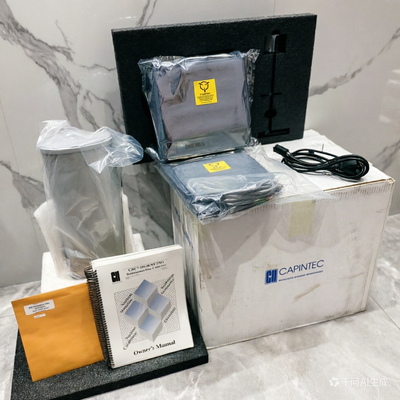
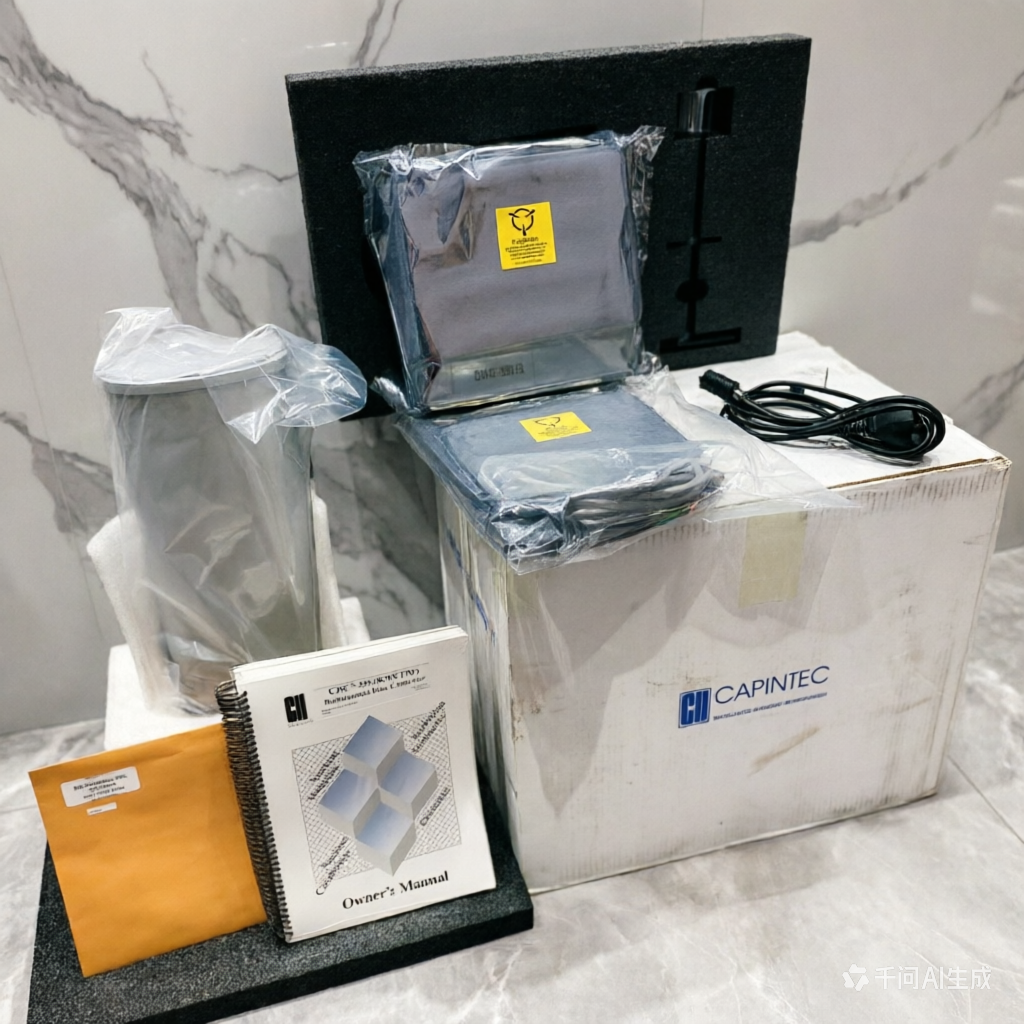
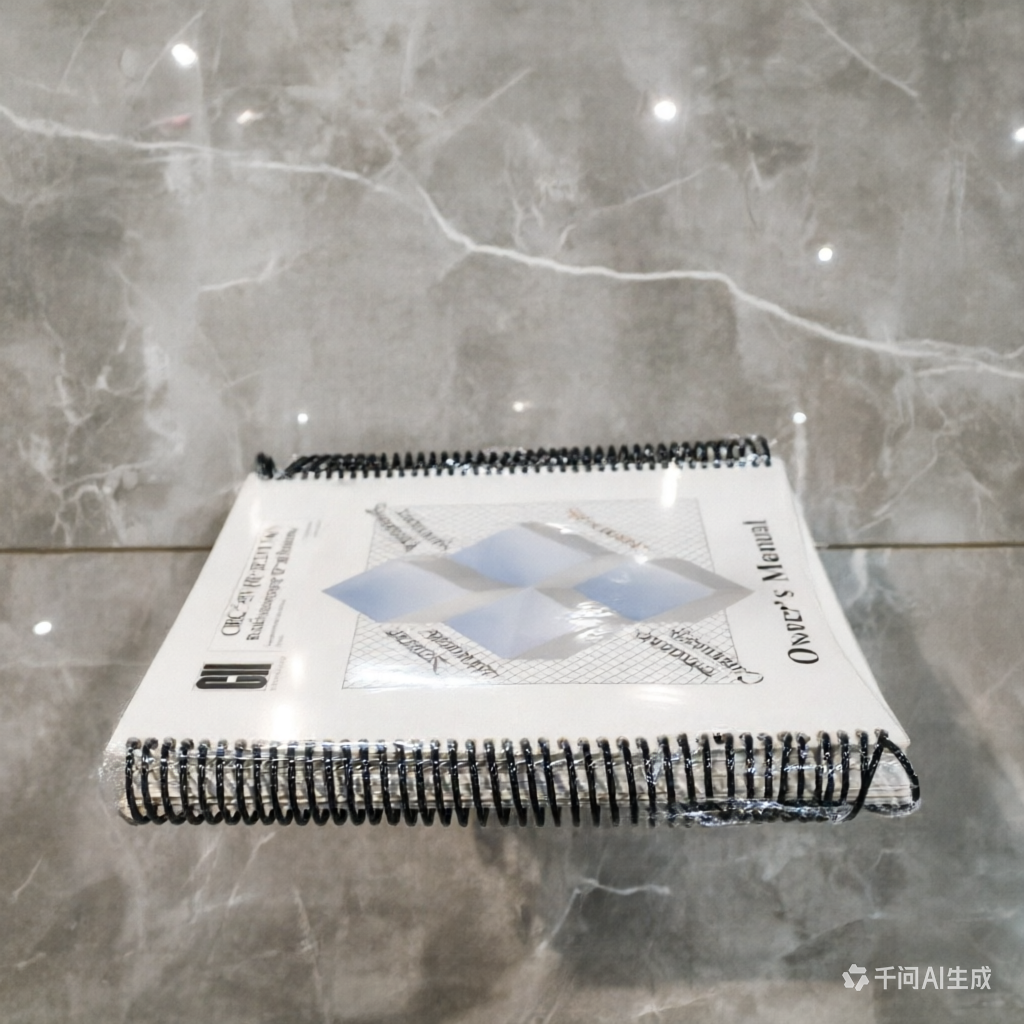
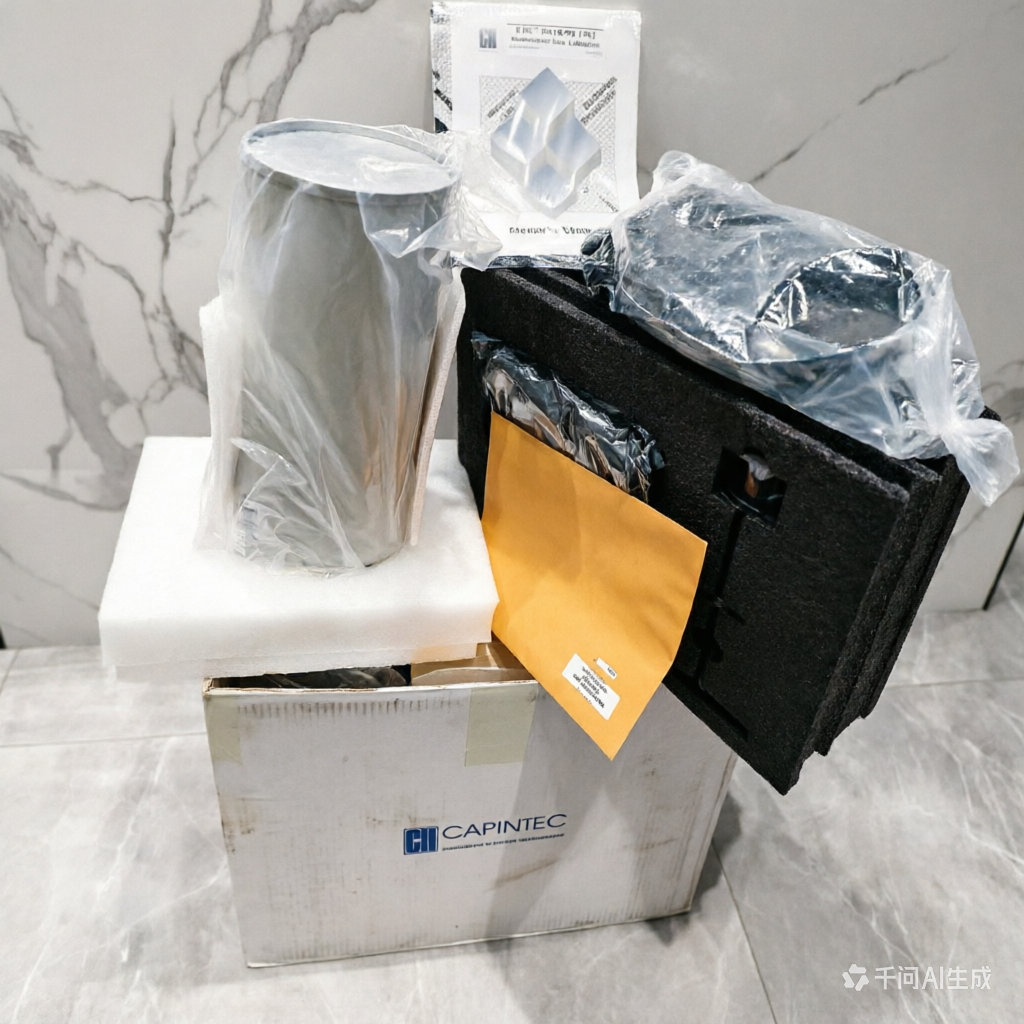
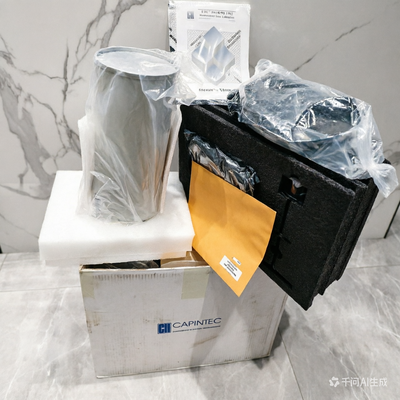
รายละเอียดสินค้า
| ช่วงพลังงาน | 0.01 MeV ถึง 3 MeV | วัสดุเครื่องตรวจจับ | ศรี-PM |
|---|---|---|---|
| ระยะการสื่อสาร | พื้นที่เปิดโล่ง ≥3กม | ช่วงการตรวจจับ | 0.01-1000 MSv/ชม |
| เวลาตอบสนอง | <16 วินาที | ความแม่นยำ | ±10% |
รายละเอียดสินค้า
เครื่องปรับปริมาณที่มีการตรวจสอบการปรับระยะไกลสําหรับการประกันคุณภาพเซลล์ร้อน
การนําเสนอสินค้า
เครื่องปรับปริมาณด้วยการตรวจสอบการปรับระยะไกลตอบโจทย์ปัญหาสําคัญในการรับประกันคุณภาพของยานิวเคลียร์:การตรวจสอบว่าเครื่องปรับปริมาณยังคงแม่นยําระหว่างการปรับปรับประจําปีอย่างเป็นทางการ. Regulatory standards require daily constancy checks (measuring a long-lived reference source and comparing to expected value) but do not require verification of accuracy across the full measurement rangeอย่างไรก็ตาม การปรับระดับระยะยาวสามารถเกิดขึ้น โดยเฉพาะอย่างยิ่งในสภาพแวดล้อมเซลล์ร้อนที่เครื่องมือถูกเผชิญกับสนามรังสีสูงอุปกรณ์นี้มีระบบตรวจสอบการปรับระยะไกลที่ใช้ชุดของแหล่งมาตรฐานที่ปิดที่เก็บอยู่ในเซลล์ร้อน.ผู้ใช้สามารถเริ่มการตรวจสอบความแม่นยําอย่างสมบูรณ์แบบโดยไม่ต้องจับแหล่งหรือเปิดเซลล์ร้อนระบบจะเปรียบเทียบค่าที่วัดไปกับค่าที่คาดหวังโดยอัตโนมัติและผลิตรายงานการตรวจสอบ
ระดับการใช้งาน
เครื่องปรับปริมาณการตรวจสอบการปรับระยะไกล (Remote Calibration Verification Dose Calibrator) ได้ถูกออกแบบให้กับแผนกการแพทย์นิวเคลียร์ที่ต้องการติดตามความแม่นยําของเครื่องมืออย่างต่อเนื่องระหว่างการปรับระยะประจําปีอย่างเป็นทางการการใช้งานหลักประกอบด้วย การตรวจสอบความแม่นยํารายเดือนหรือไตรมาส เพื่อให้เห็นถึงความสอดคล้องกับกฎหมายการติดตามผลการทํางานหลังจากการซ่อมแซมหรือบํารุงรักษาเครื่องมือ การทดสอบการยอมรับสําหรับเครื่องปรับปริมาณใหม่ การศึกษาการเปรียบเทียบระหว่างเครื่องมือสําหรับส่วนที่มีเซลล์ร้อนหลายส่วนและการฝึกอบรมบุคลากรเกี่ยวกับขั้นตอนการตรวจสอบการปรับขนาดอุปกรณ์นี้มีคุณค่าโดยเฉพาะอย่างยิ่งสําหรับแผนกที่มีปริมาตรขนาดสูง ที่การเคลื่อนไหวในการปรับขนาดที่ไม่พบสามารถส่งผลต่อปริมาณของผู้ป่วยหลายร้อยครั้ง ก่อนการปรับขนาดประจําปีต่อไปและสํานักงานที่ผ่านการรับรอง (e.eg, ACR, IAC) ที่ต้องการเอกสารเกี่ยวกับการตรวจสอบความแม่นยําอย่างต่อเนื่อง
ผลงานและประโยชน์
ระบบตรวจสอบการปรับระยะไกลประกอบด้วยชุดของแหล่งอ้างอิงที่ปิดไว้สี่ตัวที่เก็บไว้ในกระบวนการป้องกันภายในเซลล์ร้อนแหล่งที่มีกิจกรรมต่ํา(ประมาณ 10 μCi ของ Co-57 เพื่อตรวจสอบความแม่นยําในระยะต่ํา)แหล่งที่มีกิจกรรมปานกลาง(ประมาณ 1 mCi ของ Cs-137 สําหรับการตรวจสอบช่วงระยะยาวของปริมาณยาในผู้ป่วยทั่วไป)แหล่งที่มีกิจกรรมสูง(ประมาณ 100 mCi ของ Co-57 เพื่อตรวจสอบความแม่นยําระยะยาว) และแหล่งความเป็นเส้น(ชุดของเครื่องปรับระดับที่จําลองระดับกิจกรรมที่แตกต่างกันโดยไม่ใช้แหล่งหลายแหล่ง) ทุกแหล่งถูกปิดกรอบสองครั้งและตรวจสอบการรั่วไหลทุกปีที่มีกิจกรรมตามมาตรฐานแห่งชาติเพื่อดําเนินการตรวจสอบการปรับขนาด ผู้ใช้เลือก "ตรวจสอบการปรับขนาด" จากเมนูของเครื่องมือ คารูเซลหมุนโดยอัตโนมัติเพื่อตั้งแหล่งแรกในห้องวัดอุปกรณ์วัดแหล่งและเปรียบเทียบกิจกรรมที่วัดกับกิจกรรมที่คาด (ใส่ในตอนติดตั้งและแก้ไขการพังโดยอัตโนมัติ)กระบวนการซ้ําสําหรับแต่ละแหล่งและสําหรับไอโซโทปแต่ละตัวที่เลือก (ผู้ใช้สามารถตรวจสอบไอโซโทปหนึ่งหรือไอโซโทปทั่วไปทั้งหมด)การตรวจสอบทั้งหมดใช้เวลาไม่เกิน 5 นาทีสําหรับแหล่งทั้งหมด 4 และไอโซโทปหลักทั้งหมด (Tc-99m, F-18, I-131, Lu-177) ซอฟต์แวร์ของอุปกรณ์คํานวณความเบี่ยงเบนเปอร์เซ็นต์สําหรับการวัดแต่ละครั้งและเปรียบเทียบมันกับขีดจํากัดความอดทนที่กําหนดโดยผู้ใช้งาน (โดยทั่วไป ± 5% สําหรับช่วงปริมาณยาของผู้ป่วย± 10% สําหรับความเข้มข้น)ซอฟต์แวร์ยังทําการวิเคราะห์สถิติเกี่ยวกับผลการทดลอง เพื่อระบุแนวโน้มตามเวลา เช่นการเพิ่มความเบี่ยงเบนอย่างช้า ๆ ที่ชี้ให้เห็นถึงการเคลื่อนไหวในการปรับขนาด ก่อนที่ความเบี่ยงเบนจะเกินขอบเขตความยอมรับผลการตรวจสอบถูกบันทึกไว้ในฐานข้อมูลการควบคุมคุณภาพของเครื่องมือ โดยมีบันทึกที่สมบูรณ์แบบรวมถึงวันที่ เวลา ไอดีผู้ใช้งาน แหล่งที่วัด ค่าที่วัด ค่าที่คาดการเบี่ยงเบนเปอร์เซ็นต์อุปกรณ์สามารถผลิตรายงานการตรวจสอบที่เหมาะสําหรับการตรวจสอบตามกฎหมาย รวมถึงตารางสรุปและกราฟที่แสดงแนวโน้มการเบี่ยงเบนตามเวลาระบบตรวจสอบการปรับขนาดยังรองรับการทํางานไกลการตรวจสอบทั้งหมดสามารถเริ่มต้นจากหน่วยแสดงภาพภายนอก โดยไม่ต้องเปิดเซลล์ร้อนหรือจัดการแหล่งผู้ใช้สามารถสังเกตความคืบหน้าการตรวจสอบบนจอและได้รับเตือนเสียงเมื่อการตรวจสอบเสร็จสิ้นสําหรับแผนกที่มีเซลล์ร้อนหลายเซต แหล่งอ้างอิงสามารถเคลื่อนไหวระหว่างเซลล์เพื่อตรวจสอบเครื่องมือหลายเครื่องและโปรแกรมของเครื่องแสดงด้วยฟังก์ชัน "โอนแหล่ง" ที่อัพเดทกิจกรรมที่คาดหวังขึ้นอยู่กับการพังตั้งแต่การใช้ครั้งล่าสุดสําหรับแผนกการแพทย์นิวเคลียร์ ประโยชน์หลักของการตรวจสอบการปรับระดับทางไกล คือการตรวจพบการเคลื่อนไหวในการปรับระดับในระยะแรกแทนที่จะค้นพบว่าเครื่องปรับปริมาณของยาไม่ได้ปรับปริมาณในระหว่างการบริการประจําปี (ในขณะที่ร้อยๆ หรือพันๆ คนอาจได้รับผลกระทบ)หน่วยงานสามารถตรวจพบการลื่นไหลเป็นรายเดือนหรือไตรมาส และกําหนดการปรับระดับใหม่ ก่อนที่ปริมาณของผู้ป่วยจะเสี่ยงการทํางานไกลกําจัดการเผชิญหน้ากับรังสีและความเสี่ยงของการปนเปื้อนที่เกี่ยวข้องกับการจัดการแหล่งปรับขนาดกระบวนการตรวจสอบรวดเร็ว (ต่ํากว่า 5 นาที) และสามารถดําเนินการในช่วงเวลาช้า ๆ โดยไม่ขัดขวางการดําเนินงานประจําวันบันทึกการตรวจสอบอัตโนมัติ ให้หลักฐานที่บันทึกไว้เกี่ยวกับการติดตามความแม่นยําที่ดําเนินการอยู่, สนับสนุนการปฏิบัติตามกฎหมายและความต้องการการรับรองเครื่องปรับปริมาณการตรวจสอบการปรับระยะไกล (Remote Calibration Verification Dose Calibrator) ให้แผนกการแพทย์นิวเคลียร์มั่นใจว่าการวัดปริมาณของพวกมันจะแม่นยําแต่ทุกวัน
แนะนำผลิตภัณฑ์
